World Sight Day 2026: Why a Yearly Eye Exam Is the Easiest Health Habit You're Skipping
Oct 8, 2026
By Rahul Jain
0 comment(s)
World Sight Day · October 8, 2026
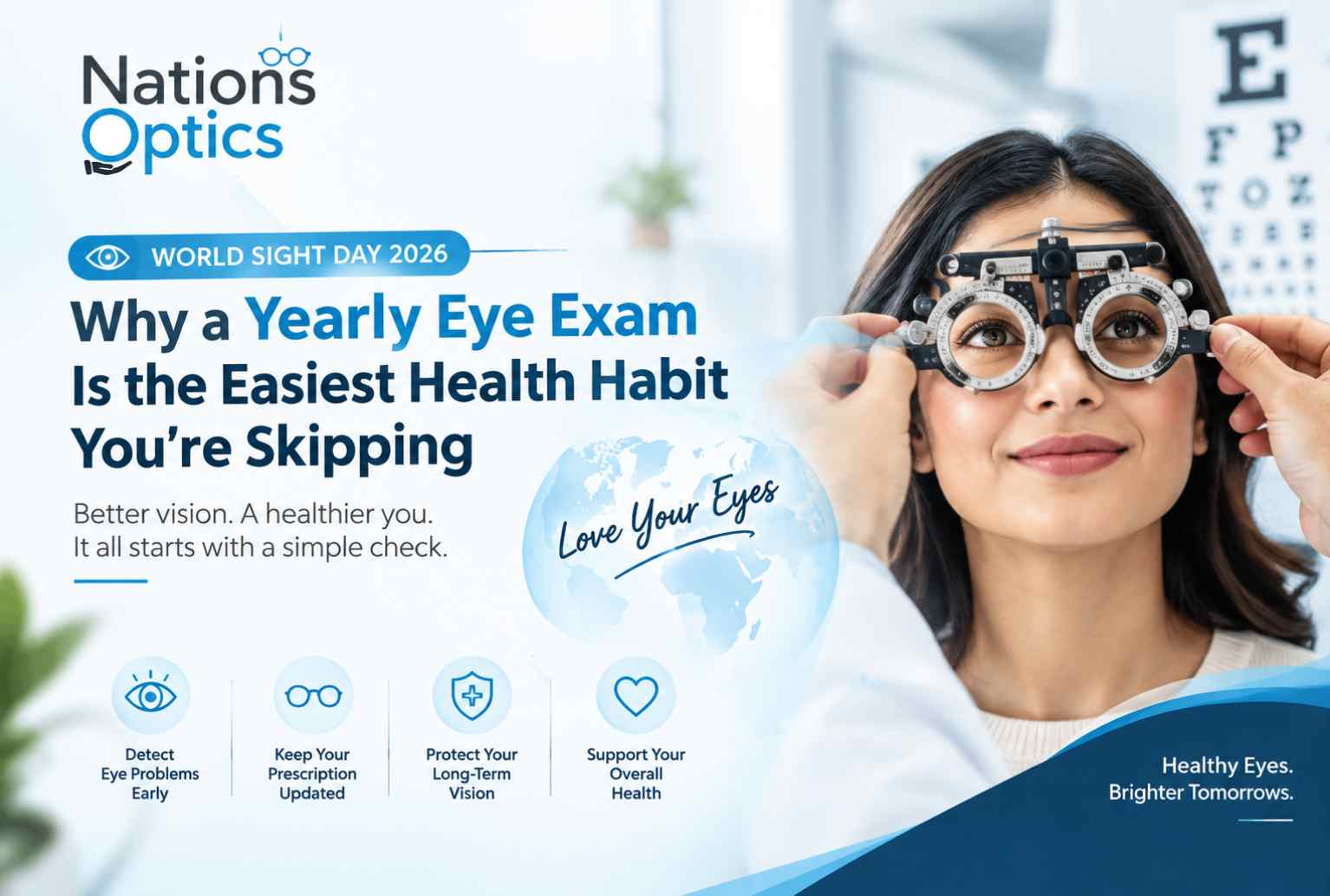
World Sight Day 2026: Why a Yearly Eye Exam Is the Easiest Health Habit You're Skipping
Your eyes can change without giving you an obvious warning. Here is how to build a simple eye-check habit that fits your age and risk, and why today is a good day to start.
A quick note: This article is for general information only and is not a substitute for professional medical advice, diagnosis or treatment. Please speak with a qualified eye-care professional about the exam schedule that is right for you.
You may be reading comfortably, working on a laptop every day and driving normally, and still have an eye or vision problem that needs attention. That is why regular eye care deserves a place in your health routine.
World Sight Day 2026, observed on October 8, is a timely reminder to treat eye health as a priority instead of something we think about only when vision turns blurry. The 2026 global campaign, led by the International Agency for the Prevention of Blindness (IAPB), continues the #LoveYourEyes movement and focuses on making eye care accessible and meaningful for everyone.
For some people that means a yearly eye exam. For others, an eye-care professional may suggest a different schedule. The key point is simple: don't wait for a noticeable problem before paying attention to your eyes.
World Sight Day 2026 #LoveYourEyes Yearly Eye Exam Prevention
Why Is World Sight Day Important?
World Sight Day is an annual global awareness event about vision impairment, blindness, eye care and the importance of protecting sight. This year's campaign highlights the power of people, personal experiences and community action.
2.2 billion+people live with near or distance vision impairment (WHO)
1 billion+of these cases could have been prevented or are yet to be addressed (WHO)
Refractive errors and cataracts are among the leading causes of vision impairment and blindness. So this day is more than a date on the calendar. It is a chance to ask yourself:
- When was my last eye exam?
- Do I know whether my glasses prescription is still correct?
- Have I been ignoring headaches, blurred vision, eye strain or trouble seeing at night?
- Am I taking my eye health as seriously as the rest of my health?
What Is a Yearly Eye Exam?
A yearly eye exam is a routine or comprehensive eye examination done at an interval your eye-care professional recommends. Depending on your age, symptoms and risk factors, it may include visual acuity, refraction, examination of the front and back of the eye, eye pressure measurement, and evaluation of the retina and optic nerve.
Screening is not the same as a full exam. A vision screening can show whether you have trouble seeing clearly. A comprehensive eye exam checks the health of your eyes in much greater detail. For example, glaucoma cannot be diagnosed reliably with eye pressure alone.
Do You Really Need an Eye Exam Every Year?
Not necessarily. How often you should be examined depends on:
- Your age
- Your current vision
- Whether you wear glasses or contact lenses
- Family history of eye disease
- Diabetes or other health conditions
- Previous eye problems
- Your risk of glaucoma or other eye diseases
- New or changing symptoms
- Your eye-care professional's recommendation
The American Academy of Ophthalmology notes that adults should have a baseline comprehensive eye examination around age 40, with follow-up frequency based on individual risk factors. So instead of treating "annual eye exam" as a universal rule, think of regular eye exams as a preventive habit on the schedule that suits you.
8 Reasons Regular Eye Exams Matter
1
Problems Can Hide Without Symptoms
Some eye diseases progress before you notice anything. Glaucoma can damage the optic nerve and cause permanent vision loss, yet early stages may have few or no symptoms. Early detection and treatment can help protect remaining vision.
2
Your Prescription Can Change
Blurred distance vision, headaches after visual tasks, squinting, trouble with road signs or night vision can all mean your glasses need a fresh look.
3
Exams Help Detect Eye Disease
Depending on your exam and risk factors, signs of glaucoma, cataracts, diabetic eye disease, retinal problems and age-related conditions can be picked up.
4
Refractive Errors Are Common
Myopia, hyperopia, astigmatism and presbyopia are very common. WHO says uncorrected refractive error is the leading cause of vision impairment globally.
5
Eyes Change With Age
Presbyopia, trouble focusing up close, usually becomes noticeable around age 40. Cataracts, glaucoma and other age-related conditions also become more likely.
6
Diabetes Can Affect the Eyes
Some diabetic eye changes develop before vision changes. If you have diabetes, don't rely on how clearly you see. Agree an exam schedule with your doctors.
7
Children Need Eye Care Too
Vision shapes learning, reading, sports and development. Watch for sitting too close to screens, squinting, covering one eye, headaches or trouble reading the board.
8
Your Digital Life Matters
Long hours on phones and laptops can bring eye fatigue, dryness and blurred vision. Persistent or worsening symptoms deserve a professional look, not just a shrug.
If you are living with diabetes, our guide on diabetic eye care and eye exams goes deeper into why screening matters.
What Can an Eye Exam Check?
An eye exam is much more than reading letters off a chart. Depending on the type of exam, an eye-care professional may assess:
- Visual acuity
- Refractive error
- Eye alignment and movement
- Eye pressure
- The front structures of the eye
- The retina
- The optic nerve
- Other signs of eye disease
The exact tests depend on your age, symptoms, medical history and risk factors, and on who is doing the exam.
Can an Eye Exam Reveal Other Health Problems?
Sometimes. Certain systemic health conditions affect the eyes, which is one reason comprehensive eye care is part of overall healthcare. But an eye exam is not a replacement for routine medical checkups. If something needs further evaluation, follow up with the right healthcare professional.
Signs You Should Not Ignore
Consider booking an eye exam if you notice new or persistent:
- Blurred vision
- Difficulty seeing at night
- Frequent headaches linked to visual tasks
- Eye pain
- Increased sensitivity to light
- Double vision
- Flashes of light
- A sudden increase in floaters
- Difficulty reading or focusing
- Any change in your current vision
Act fast for sudden changes. Sudden vision loss or a significant sudden change in vision needs urgent medical attention. Please don't wait for a routine appointment.
How Often Should You Get Your Eyes Checked?
There is no single schedule for everyone. A healthy young adult with no symptoms and no risk factors has different needs from:
- Someone over 40
- Someone who wears prescription glasses
- Someone with diabetes
- Someone with a family history of glaucoma
- Someone with an existing eye condition
- Someone noticing new vision changes
- Someone who has had eye surgery
The best approach is to ask your eye-care professional how often you need a comprehensive exam. If you have been advised to go yearly, put the appointment in your calendar around the same time every year so it's easy to remember. (Not sure who to see? Read Optician vs. Optometrist vs. Ophthalmologist.)
Think of it like servicing your car. You don't wait for it to break down completely. Your eyes deserve the same routine care.
World Sight Day 2026: Make Your Eyes a Priority
Clear vision helps people learn, work, communicate, travel, stay independent and enjoy everyday life. This World Sight Day, take a few minutes to think about your last eye exam. If it has been a long time, if your prescription feels different, or if you have been ignoring symptoms, consider scheduling an appropriate exam.
Once You Have Your Prescription: Choosing Eyewear
After your prescription has been professionally determined, choosing suitable eyewear is the next step. At Nations Optics, we make prescription eyewear accessible online, with practical choices, transparent pricing and a wide range of frames and lenses.
Whether you need single-vision, bifocal or progressive lenses, your eyewear should match your current prescription and how you actually use your eyes. If your prescription has changed, don't keep using an old pair just because you can still see through it. Get your eyes checked, keep your prescription updated, then choose eyewear for your needs and lifestyle.
The Bottom Line: Don't Wait for Your Eyes to Complain
You don't need a yearly exam just because it is a yearly tradition. Your ideal frequency depends on your age, health, symptoms, risk factors and professional advice. But you should have a clear plan for when your next exam is due, and World Sight Day is a perfect time to make it.
- Check your vision
- Keep your prescription updated
- Pay attention to changes
- Don't ignore symptoms
- Make regular eye care part of your overall health routine
Your future vision is worth the appointment.
Frequently Asked Questions
What is World Sight Day 2026?
An international eye-health awareness event on October 8, 2026. The 2026 campaign continues the global #LoveYourEyes movement and highlights eye health and access to eye care.
When is World Sight Day 2026?
Thursday, October 8, 2026.
Why is World Sight Day celebrated?
To raise awareness about eye health, vision impairment, blindness, prevention, treatment and access to eye care.
Why is an annual eye exam important?
It can be right for some people based on age, health, symptoms and risk factors. Regular exams help monitor vision and may help identify eye conditions earlier.
Do I need an eye exam if I can see clearly?
Clear vision doesn't always mean healthy eyes. Some conditions develop with few noticeable symptoms, so discuss your schedule with an eye-care professional.
How often should adults get an eye exam?
There is no universal schedule. It depends on age, risk factors, existing conditions, symptoms and medical history. Your eye-care professional can recommend what suits you.
Can an eye exam detect glaucoma?
A comprehensive exam can help evaluate for glaucoma. Eye pressure alone isn't enough to diagnose it, and early glaucoma may have few symptoms.
Can an eye exam detect cataracts?
Yes. An eye-care professional can look for signs of cataracts and assess other structures of the eye.
Can an eye exam detect refractive errors?
Yes. It can identify myopia, hyperopia, astigmatism and presbyopia and help decide the right vision correction.
What should I do if my vision suddenly changes?
Treat sudden vision loss or a significant sudden change as urgent. Seek prompt medical attention instead of waiting for a routine appointment.
Final Takeaway
This World Sight Day, don't make eye care something you remember only when your glasses stop working or your vision turns blurry. Make regular eye exams part of your health routine, because prevention, timely detection and appropriate care can make a real difference.
Love your eyes. Check your vision. And don't skip the appointment.
Updated Prescription? Find Your Next Pair
Once your eye exam is done, browse frames and lenses made for your prescription and your lifestyle.
Explore Eyewear at Nations OpticsExclusive Offers
Sitewide
33%
OFF
Flat 33% off on all products
Already applied on every price · no coupon needed
Auto-applied
10%
OFF
On orders ₹1,200 – ₹1,799
No coupon needed · saves automatically
Auto-applied
15%
OFF
On orders ₹1,800 – ₹3,199
No coupon needed · saves automatically
Best Deal 🔥
20%
OFF
On orders above ₹3,200
No coupon needed · saves automatically
Pay Advance
₹50
SAVED
Pay advance amount at checkout
Flat ₹50 off · pay balance on delivery
Pay Full ✓
₹100
SAVED
Pay full amount at checkout
Maximum saving · instant confirmation
N
Nations Optics Assistant
● Online
👋 Hi! I'm your Nations Optics assistant. Ask me anything about lenses, frames, or prescriptions!